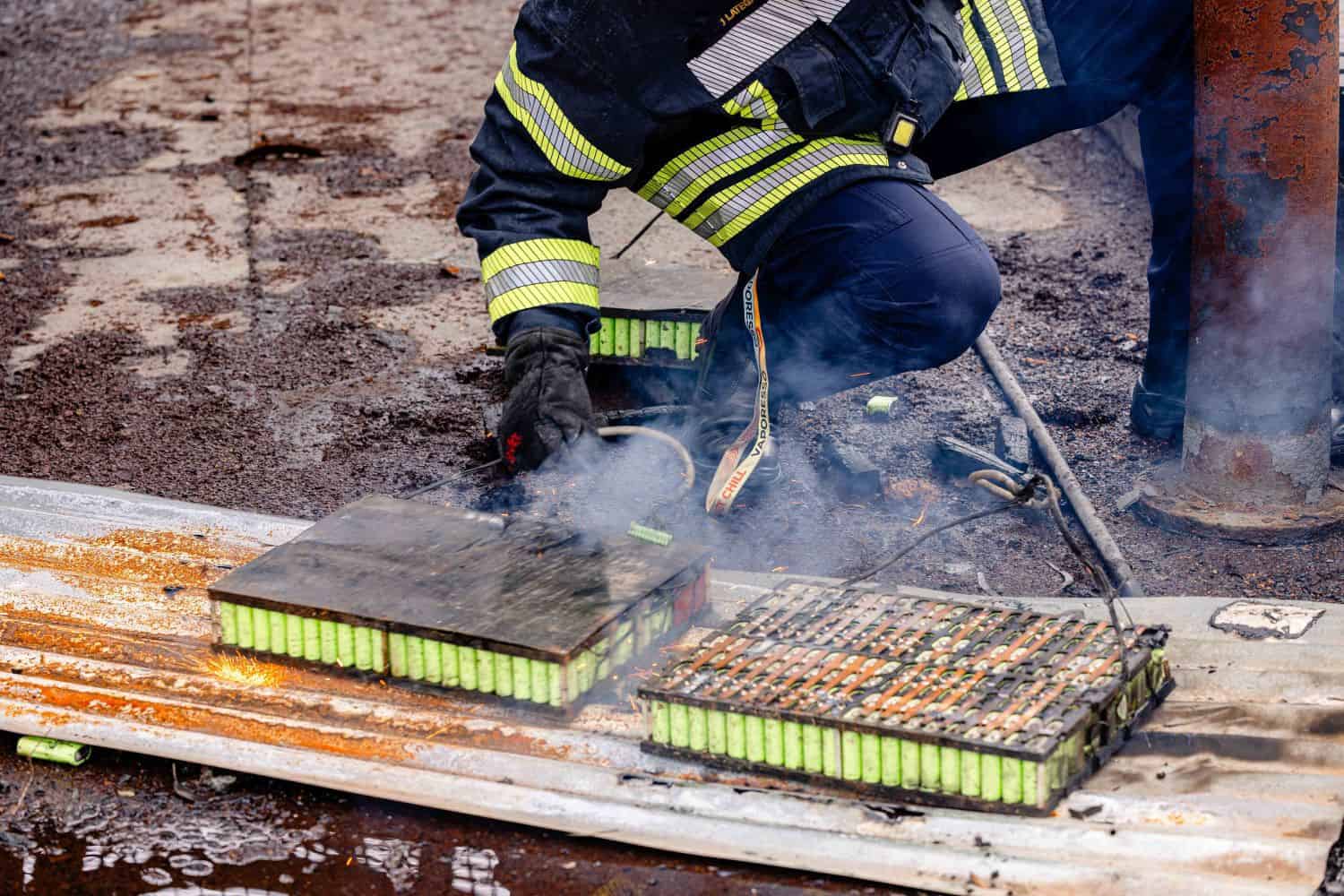
One in four building fires now linked to solar: here’s how to reduce the risk
As solar systems age, components need maintenance and replacement.
As more South Africans turn to solar power to keep the lights on and cut their reliance on the grid, a growing fire risk is emerging alongside the boom.
One in four building fires is now linked to solar-related equipment, highlighting the importance of proper installation, maintenance and safety checks.
As solar systems become more common in homes and businesses, experts warn that cutting corners could come at a much higher cost.
The finding is based on response data from Fire Force, a fire response partnership between Discovery Insure and private firefighting and rescue service, Fire Ops SA.
Tips to reduce risk
Engelbrecht said homeowners should focus on two things: reducing the chances of a fire starting and making sure it’s detected as quickly as possible if something goes wrong.
1. Use qualified installers and electricians
Choose reputable solar specialists with recognised industry credentials and use a registered electrician authorised to inspect, test and certify electrical installations.
“Always insist on a valid electrical Certificate of Compliance (not a certificate of completion) once the installation is complete,” he added.
2. Get your system checked regularly
Have your solar system inspected and serviced at least once a year, including its wiring, connections, batteries and the inverter.
3. Look out for warning signs
A qualified professional should investigate swelling batteries, excessive heat, unusual smells or noises, error messages and unexplained system faults.
4. Think carefully about where your system is installed
Batteries and inverters require adequate ventilation and, where possible, should be kept away from vehicles, fuel, and other combustible materials. A qualified installer should advise on the safest location for the particular system.
5. Plan for replacement
Batteries, inverters and other components have finite lifespans. Follow the manufacturer’s maintenance and replacement guidance rather than waiting for equipment to fail. Replace batteries before their end‑of‑life and replace them immediately if they start swelling.